
“Trikala Quits Smoking”
A citizen co-creation programme designed to enforce the ban on smoking in enclosed public spaces in Greece.
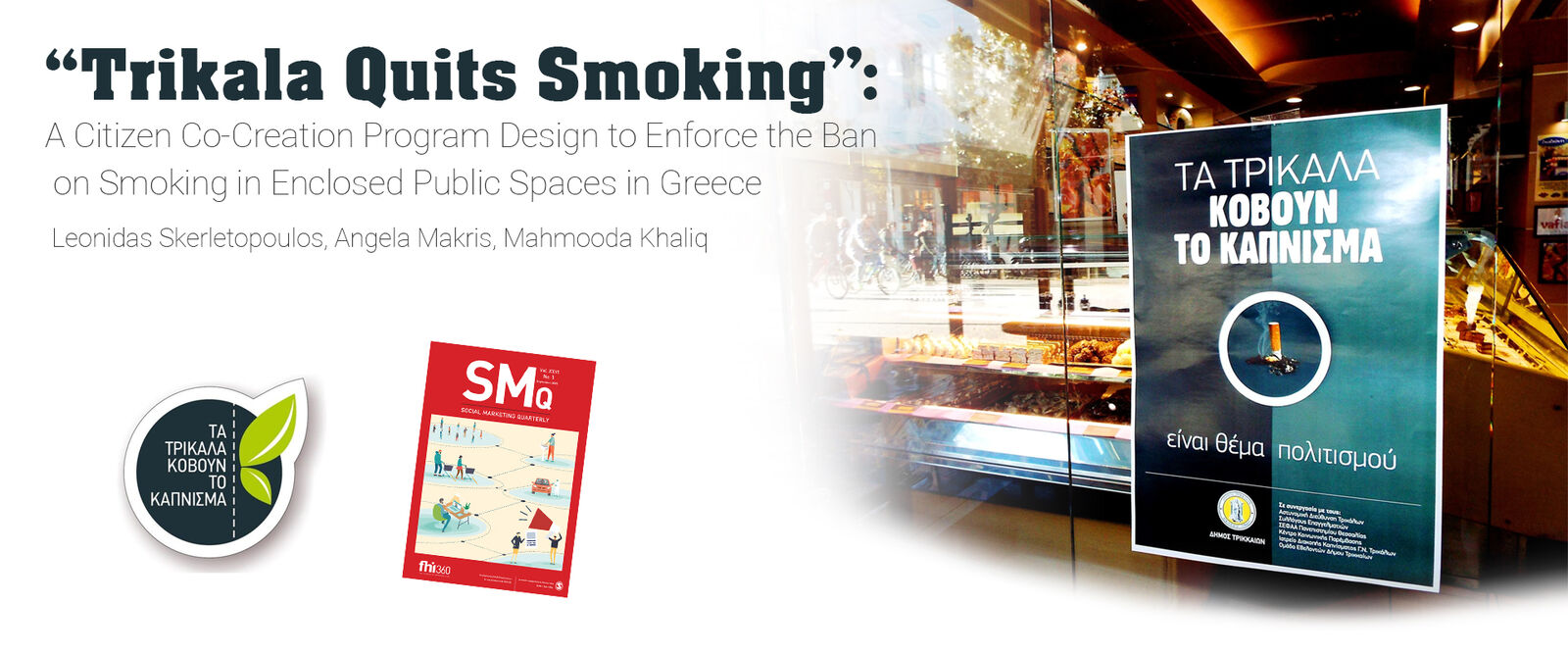
“We didn’t have the financial resources to change the city, however we could work on changing the citizens’ view of the city and encourage them to bring out their good self.”
Dimitris Papastergiou, Mayor of Trikala
A long history of bans that didn’t stick
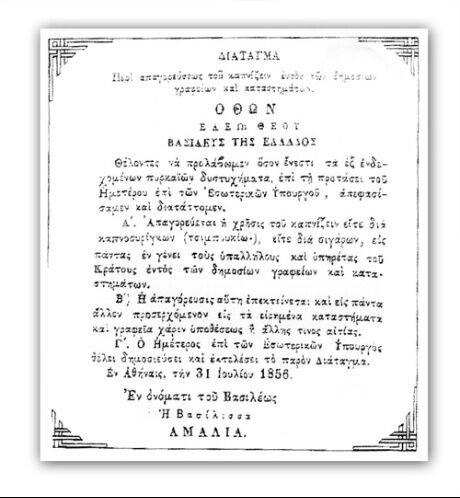
Greece was among the first countries to ban smoking indoors. The first attempt to legislate was in 1856, under King Otto’s Commandment (Royal Decree, 36/4-8-1856), which aimed to prevent smoking in public buildings and workplaces — mainly to prevent fires.
In 2002, with a public health lens, the legislation was extended to hospitals, public transport and educational institutions (FEK 1001/Β/1-8-2002). But the law had a loophole that encouraged non-compliance: retail and commercial businesses could simply submit paperwork claiming that the law did not apply to them.
Following the ineffectiveness of the 2002 legislation (WHO, 2015), a stricter law on indoor smoking was introduced in 2008 (L 3730/2008). It came into force on 1 July 2009, in the belief that compliance would be easier in summer, when most people in Greece sit outdoors.
Changing norms, not just rules
Trikala — recognised as a smart city three times since 2009 — shows how behaviour change can be achieved in a high-context culture.
Co-creation with citizens
Citizens, businesses and local government designed the programme together rather than having it imposed on them.
New social norms
The aim: replace national indifference toward indoor smoking enforcement with a local norm of compliance.
Long-term protection
Protecting adults and children from second-hand smoke by shifting perceptions across the whole community.
WSMC 2019 — Highly Commented
The case was submitted as a poster to the World Social Marketing Conference in Edinburgh, 4–5 June 2019, where it received a “Highly Commented” distinction, and was presented in a workshop at the conference. It was later published in Social Marketing Quarterly.
View the poster →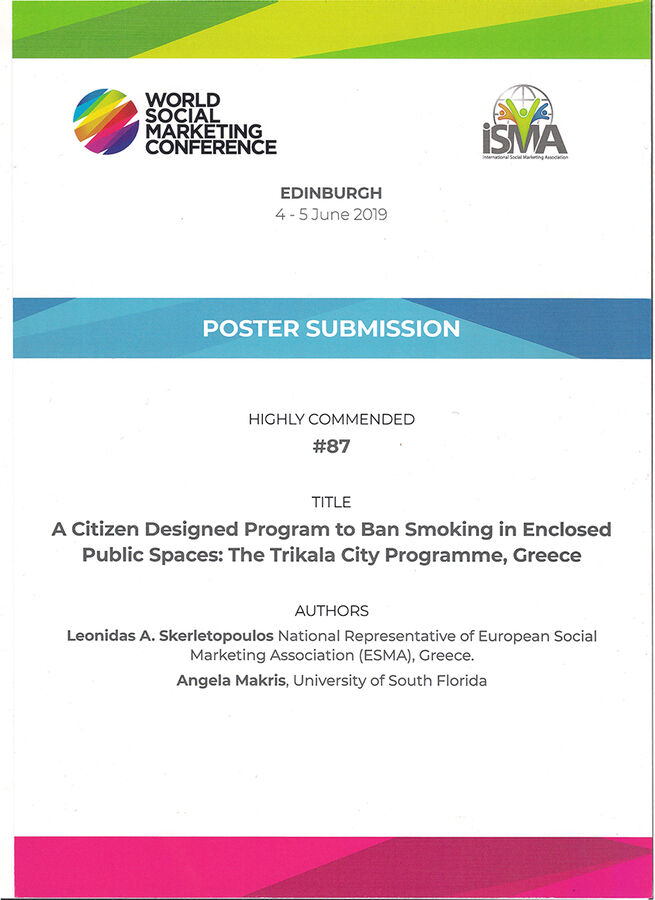
The experts who submitted the poster

Dr Mahmooda K. Pasha
Assistant Professor, USF. Associate Director, WHO Collaborating Centre on Social Marketing and Social Change.

Leonidas Skerletopoulos
Marketing & Communications Expert. Board of Directors, Members Chair, iSMA.
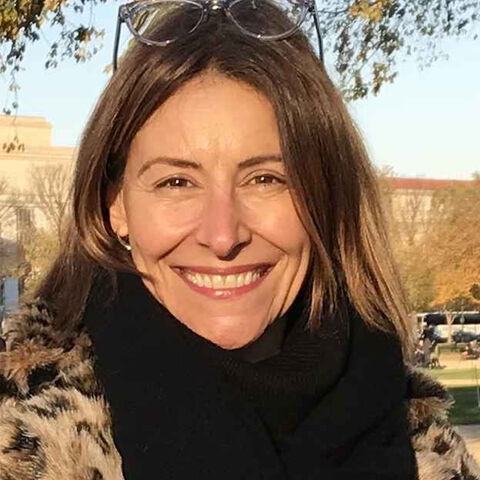
Angela Makris
International Social Researcher, University of South Florida.
Planning a programme that needs people to change behaviour?
Talk to us about training, research or a social marketing approach for your organisation.